
Sources for Irvine Previous Residents
A backward address search needs a source that fits the era. Orange County deed and property-index books reach far earlier than the modern city. Irvine permits begin in the incorporation-era system but are still being converted. Directories and newspapers reveal households only for their printed or database years. The coverage table keeps owners, occupants, and address-change evidence separate.
| Source | Years It Covers | Where Held | What It Shows |
|---|---|---|---|
| Orange County deed volumes | 1889-1926 preserved volumes | OC Archives and Recorder | Parties, legal land, transfer chronology |
| Property index volumes | 1889-1953 preserved and microfilmed | OC Archives | Grantor-grantee bridge into deed books |
| RecorderWorks | Online start not officially located; 1982 reference change | Orange County web index | Parties, document type, date, identifier |
| Irvine permits and plans | City era; 1971-2000 conversion noted | City portal, Quick Records, CPRA | Construction, applicant, address and tract clues |
| County directories | 1895-1896, 1903, 1905-1931, 1928-1952 citations | Libraries, archives and history rooms | Names, localities, acreage or printed addresses |
| Federal census | Through 1950 released schedule | NARA and library databases | Household members, relationships, location |
| Newspapers and obituary sources | 1919-1943, 1986-2015 microfilm; later database runs | OCPL and NewsBank | Deaths, family, community and property notices |
Start with the current parcel and work backward for ownership. Start with the likely year and locality for past residents. When the address did not exist in the selected volume, follow the tract, acreage, ranch, or county clue instead of assuming the person is absent.
Date the Irvine Village Before Searching Past Residents
Irvine incorporated on December 28, 1971, but the ranch and university-village landscape came earlier. Turtle Rock, University Park, Culverdale, The Ranch, and Walnut villages were complete by 1970, while the Irvine Business Complex had opened. A modern street address may therefore have a birth date that matters more than the date of a person in a directory.
Before searching for previous residents, ask when the tract, lot, street, or campus area became the place described by the current address. An older record may use Irvine Ranch, an acreage locality, Santa Ana, Orange County, or a different street name. UCI and University Hills are an additional exception because UCI, not the City, assigns and maintains those addresses.
The Orange County Assessor roll-products page is a useful reminder that parcel and roll products are separate from a household directory.
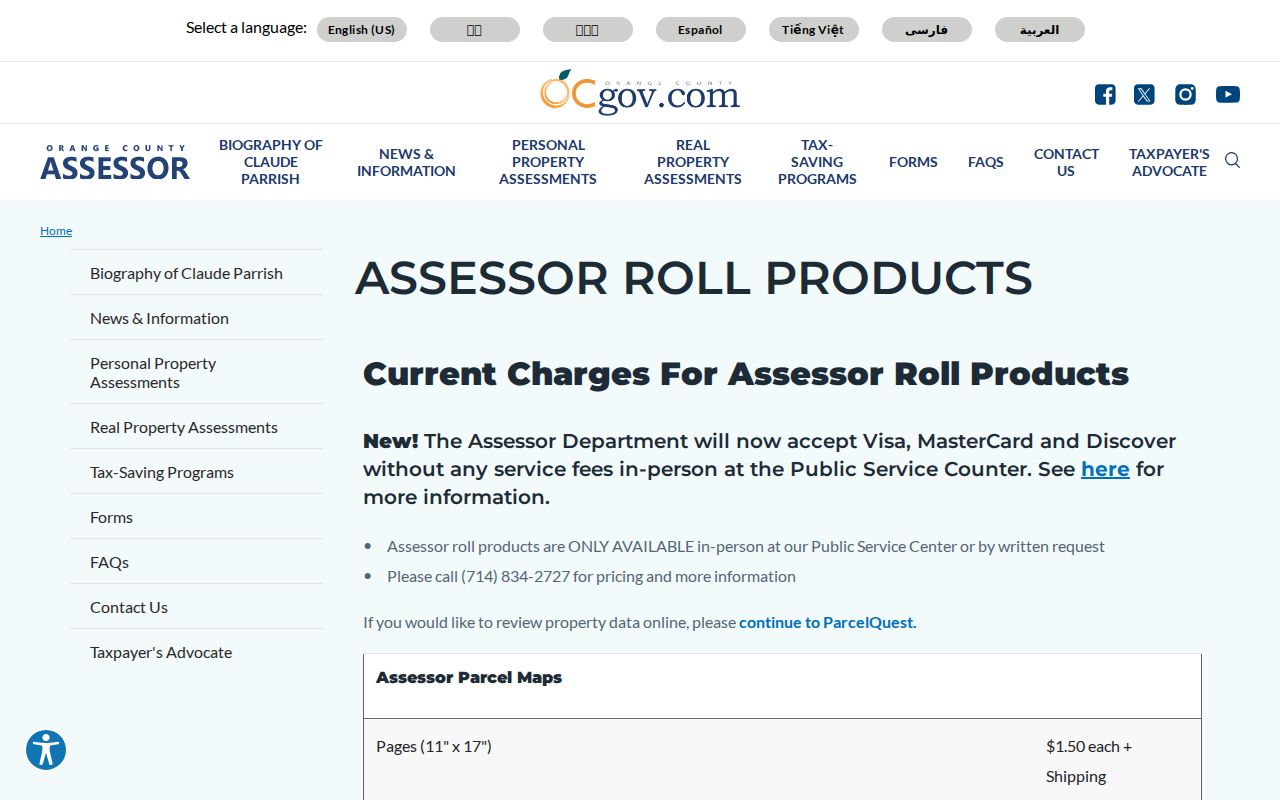
Use the assessment and parcel clue to date the land, then move to deeds and household sources for the people.
Walk the Orange County Deed Chain Backward
The deed trail answers who transferred an interest in an Irvine parcel, not necessarily who lived there. Begin with the current APN and legal description, identify the current title-affecting instrument, and read the grantee and grantor roles. To move backward, search the seller as a grantee before the current transfer. Repeat with each earlier instrument, keeping dates, document type, identifier, and legal description together.
- Locate the parcel in Irvine GIS or an address route and record the APN, situs, tract, lot, and legal context.
- Use the parcel and current party clue in RecorderWorks to identify the latest relevant instrument.
- Write down the grantee, grantor, recording date, document type, and number or book and page.
- Search the prior seller as grantee, using the legal description to reject same-name results.
- When the online trail ends, use preserved index volumes, deed books, microfilm, or an identified copy request.
- Grantor
- The party conveying an interest in the recorded instrument.
- Grantee
- The party receiving the interest; the prior seller is often searched in this role.
- Chain of title
- A chronological sequence of recorded transfers tied to one legal parcel.
- Legal description
- The recorded land description that can remain useful when street wording changes.
The Orange County RecorderWorks index is free to search, but official images and certified copies follow a separate route.
Irvine's 1982 Instrument Divide Changes the Search
Orange County's copy instructions use different identifiers on either side of 1982. Pre-1982 requests rely on book, page, and instrument information when available. Documents from 1982 forward use a recording year and six-digit instrument number. That is a practical break in an Irvine previous-residents search because a street or party name alone is less useful than the identifier format expected by the custodian.
RecorderWorks supplies index entries but not web images. The Clerk-Recorder says staff will not search the index for the requester by phone, mail, or counter. Find the instrument first, then order the copy. The published copy information describes $1 per page plus $1 certification per document or map, with a mail route that uses a self-addressed stamped envelope.
The Orange County official-copy instructions explain the identifier and copy distinction.
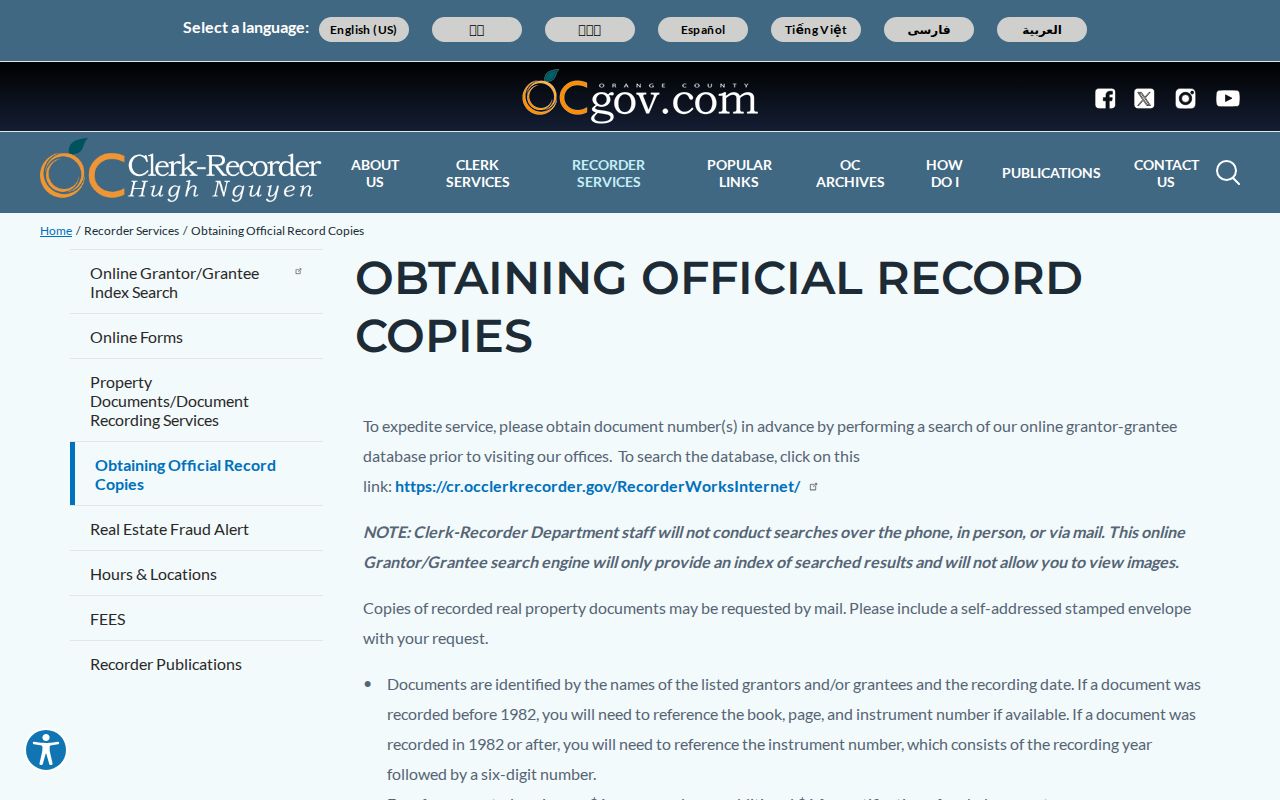
The copy page is the handoff between a recorded index lead and the document that may contain a legal description or earlier party clue.
County Volumes Preserve Irvine's Pre-Portal Trail
Orange County's record history supplies an unusually strong backward bridge. The county was separated from Los Angeles County on August 1, 1889. Archives preserves 640 original deed volumes from 1889-1926 and 210 property-index volumes from 1889-1953, conserved and digitized to microfilm. Those volumes can connect an Irvine Ranch parcel to a transfer long before a modern online index.
The Orange County Clerk-Recorder service map also separates real-property records from births, deaths, public marriages, fictitious business names, and professional registrations. That separation matters when previous residents research crosses from a parcel transfer to a family or business clue. Use the correct custodian for each record instead of asking one office to recreate a household history.
The Orange County Clerk-Recorder service page shows the distinct record families.
The Clerk-Recorder's electronic-submission milestone notice is a useful reminder that modern recording volume and digitization do not mean every older image is online.
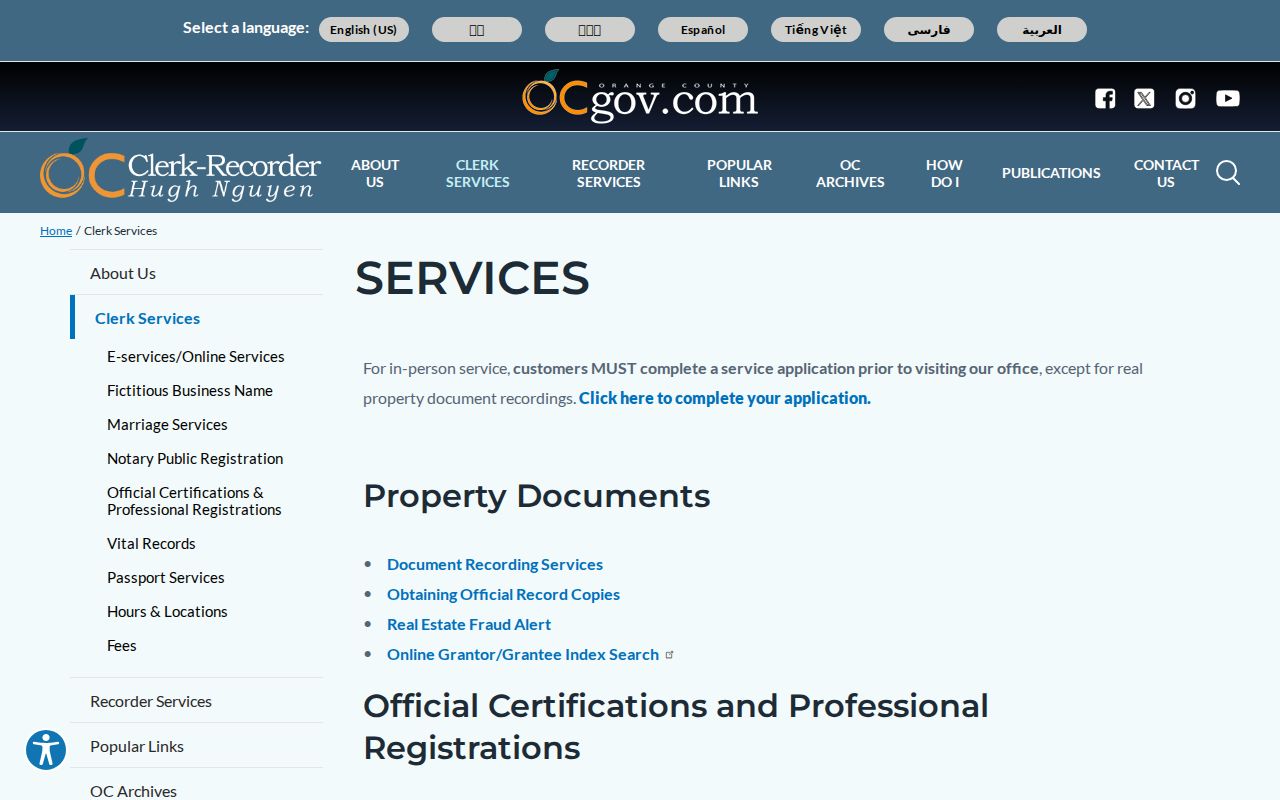
Preserved books and indexes are not a continuous list of occupants, but they can anchor the legal parcel before household sources begin.
Irvine Addressing Reports Repair Broken Trails
Street language can change after a final map, annexation, lot merger, or City review. Irvine's addressing policy says tentative tract and lot numbers can change at the final map stage, and monthly Addressing Reports list newly assigned building addresses plus address and street-name changes with tract and lot lists. Those reports are a strong CPRA target when an old deed, permit, or directory does not match the current street phrase.
A discarded address can remain in historical records after a lot merger. An annexed address can remain or be changed. UCI and University Hills create a custodian mismatch because UCI controls their address assignment. Save both the old and current wording, then search by APN and legal description where possible.
The Irvine addressing and street-naming policy supplies the local rules. It is also a direct clue for a request for monthly reports and final tract maps.
Pair Irvine Directory Years with the 1950 Census
Previous residents are often occupants rather than owners. County directories can show a name, locality, acreage, occupation, or printed address in a given year, while the federal census can show the household relationship and enumeration location. The latest released federal census is 1950 under the 72-year rule as of 2026. Pair the closest directory point with 1950 rather than assuming a directory disappearance means a move or death.
- Record the exact directory year, locality heading, spelling, and address or acreage description.
- Search the closest released census year for the name and household relationship.
- Compare the parcel or street with the census place, not only the surname.
- Look for a later directory, deed, newspaper, or obituary before closing the trail.
The Irvine city directory collections page covers the volumes and reading method. Use that shelf knowledge here only to connect one address to a past household, not to restate every collection.
For a post-1960 Irvine address, confirm a library or archive holding before claiming a telephone or reverse-directory run. Permits, deeds, newspapers, yearbooks, and community-history collections may fill part of the gap, but a gap remains a gap.
Irvine Obituaries and Probate Close the Trail
Obituaries can connect a previous resident to a family, a former address, a club, or a death date after a directory entry disappears. OCPL guidance identifies the California Death Records Index for 1940-1997, NewsBank and Orange County Register coverage from 1987-current, and Register microfilm for earlier years. Search the surname with the old address, a relative, or a locality, then verify a formal certificate through Orange County or CDPH.
Probate and court records can help with an heir or estate question when a deed chain stops at a decedent. Orange Superior Court holds probate case material, subject to access limits. The court is not the custodian of a general vital record, and a public obituary is not a certified death copy. Use each record for the fact it can actually establish.
For an older name and city lead, the State Controller's unclaimed-property search and its claim search can display a reported address city, property type, or property ID. A result is historical, searching and claiming are free, and a claimant must prove entitlement. It is not proof that a person lived at an Irvine address later.
The OCPL obituary tips describe newspaper, index, microfilm, and staff-help channels.
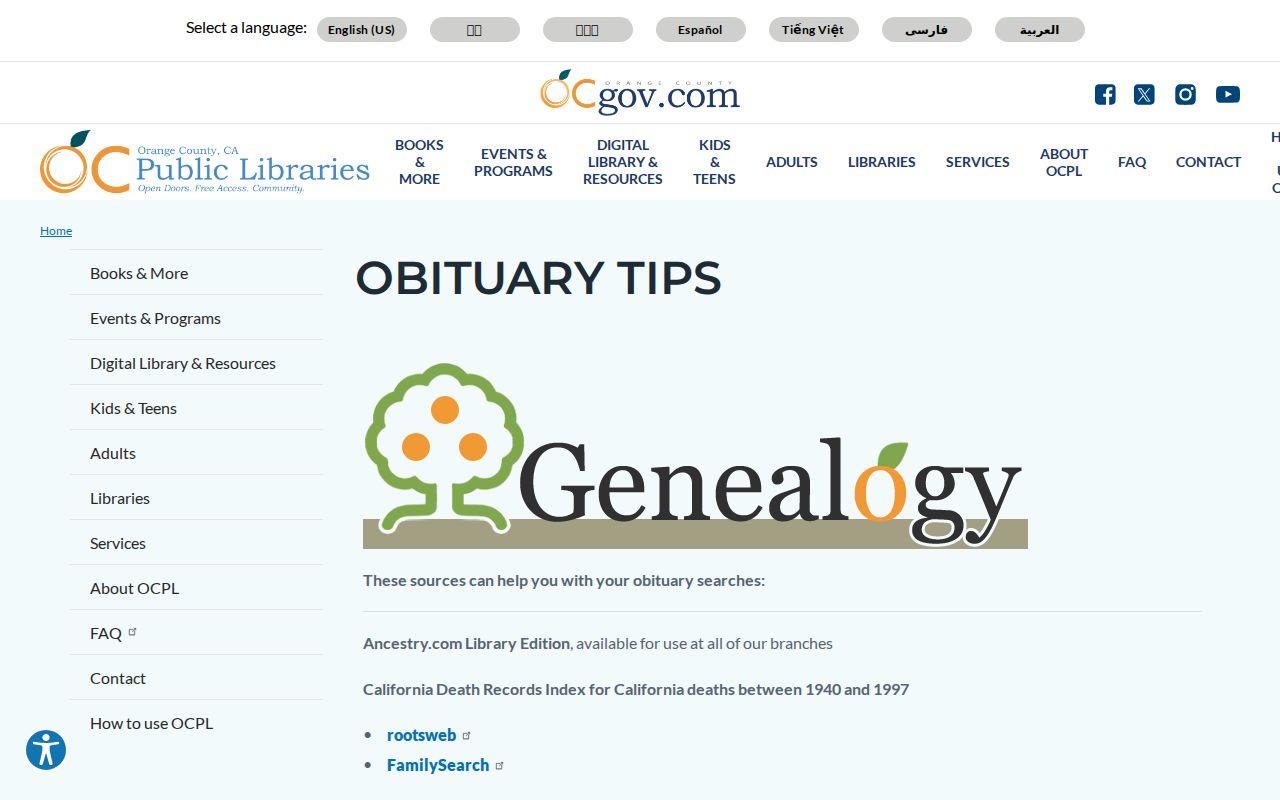
Newspaper research is a household bridge, while the official certificate and probate file remain separate custodian records.
The Orange County vital-records route supplies the formal ordering channel.
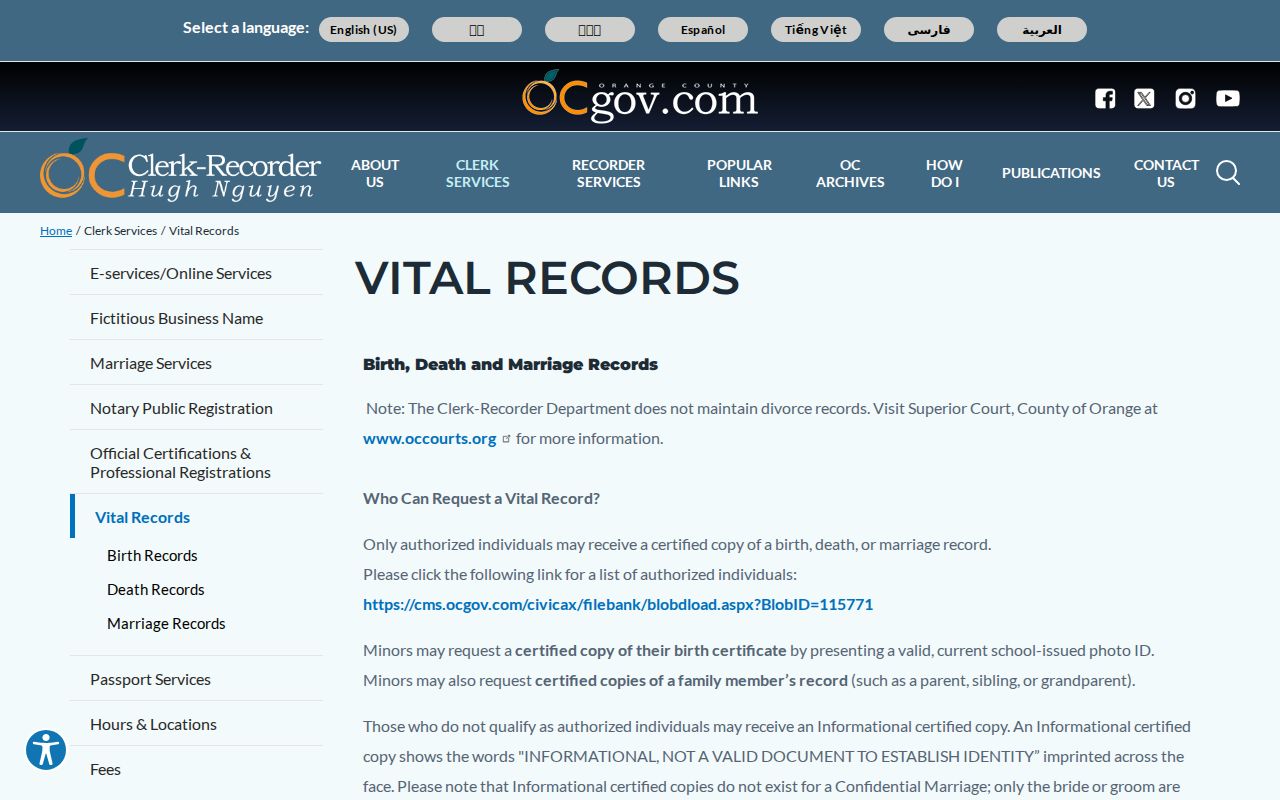
Use an obituary to find the right person and event, then request only the copy for which the requester is eligible.
Past Households Are Not Only Previous Owners
A deed chain may name one owner while a directory or census names a different household. Renters, relatives, boarders, and people who moved during a directory gap can be part of the past resident story without appearing in the title record. Conversely, a directory entry may be an acreage owner or business reference rather than a person living in the house.
Lawful use. Irvine previous-resident research is appropriate for house history, family history, genealogy, and personal curiosity. Do not use an old address trail to stalk, harass, track, or intimidate a living person.
When a source cannot support the next step, label the gap. Verify copies with the Orange County custodian, protect Safe at Home participants, and keep the distinction between who owned, who appeared in print, and who lived there. That restraint is what makes an Irvine previous residents search reliable.